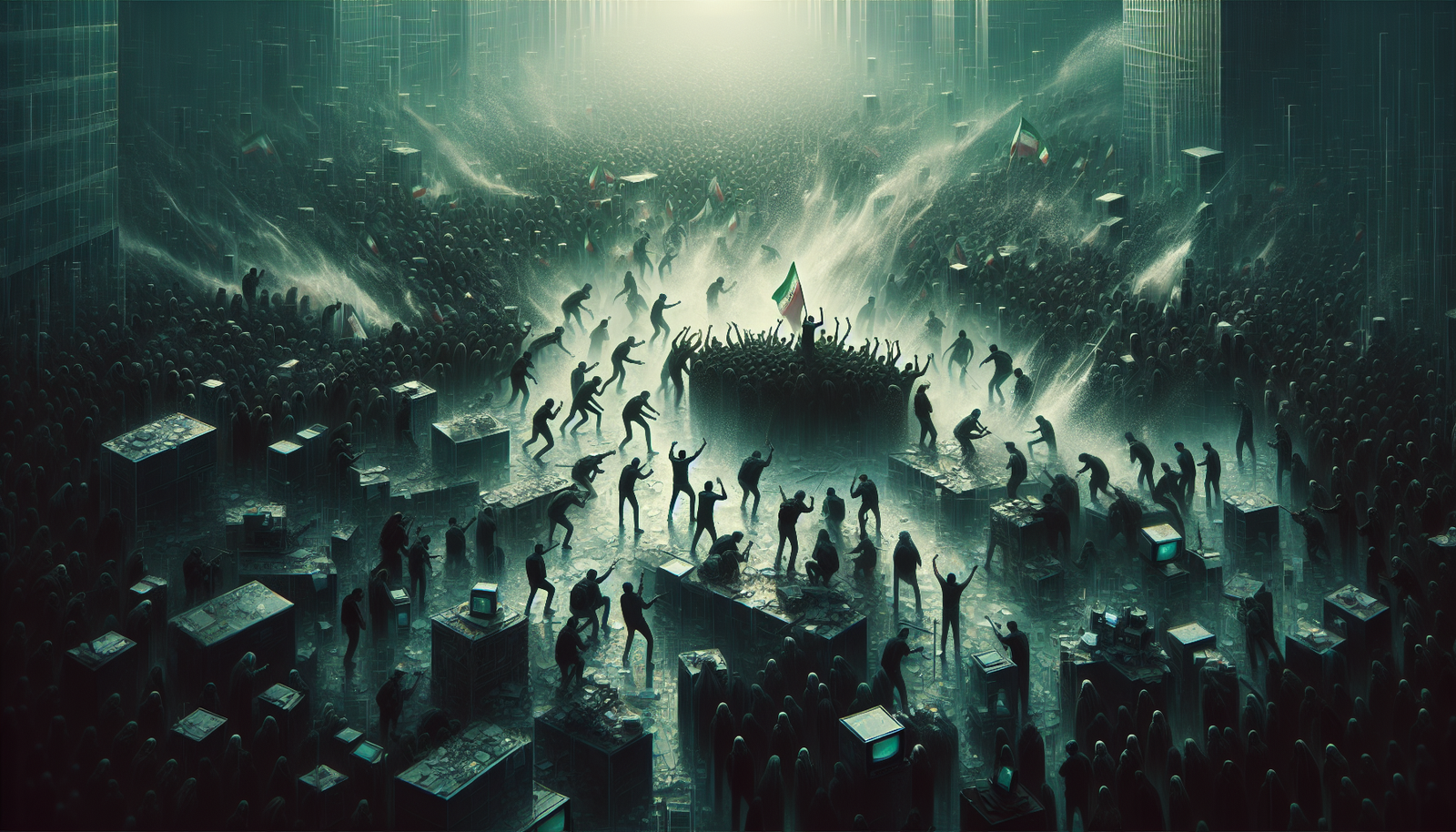

🚨 What Happened
Iranian students have taken to the streets in mass protests, fueled by escalating anger over governmental policies and perceived injustices. The demonstrations, which have garnered international attention, reflect deep-seated frustrations within the country. According to reports from the Wall Street Journal, these protests are a response to ongoing socioeconomic challenges and political repression.
⚡ Why Now
The timing of these protests is critical. Iran is currently grappling with significant economic difficulties, exacerbated by international sanctions and internal governance issues. The youth, particularly students, have become increasingly vocal and organized, utilizing social media and other digital platforms to mobilize. This unrest comes at a sensitive time as Iran’s government is attempting to navigate geopolitical tensions while managing domestic discontent.
💡 What It Means
The implications of these protests are multifaceted. For the Iranian government, this represents a significant challenge to its authority and ability to maintain control. Internationally, the situation could influence foreign policy decisions, particularly for nations engaged in diplomatic relations with Iran. Economically, continued instability may deter foreign investment and exacerbate existing financial woes, potentially impacting regional markets.
📊 Scenarios
- Increased Repression: The government might intensify its crackdown on dissent, leading to heightened tensions and possibly drawing international condemnation.
- Policy Reforms: In response to domestic and international pressure, Iran could enact reforms to address some of the protesters’ grievances, aiming to stabilize the situation.
- Escalating Unrest: If protests continue to grow, Iran could face prolonged instability, impacting its economy and diplomatic standing.
Sources: Wall Street Journal